


Most of the designers these days know what is interaction design. Interaction design is a practice of designing interactive digital products, systems and services. Interaction design involves the user flow diagramming, wireframing and visual designing, sometimes referred to as UI designing. To make a better interaction design, a designer has to consider a lot of factors such as the business, users, empathy, environment, technology, usability and accessibility. Designers do believe that accessing these factors help the business grow. But, designers job doesn't end there.
Let me start with a story here. I had an opportunity to work on a project which is based on the crowd investment. Crowd investing is something similar to crowdfunding such platforms as Kickstarter and IndieGoGo. While crowdfunding platforms allow users to fund to the projects they're interested in but not any returns other than complimentary gifts, crowd investing platforms get the returns to users based on the project's revenue.
Designing the interaction for a crowd investing platform quit easy for an intermediate skilled designer. It would be having a project list page with features such as search, sort and filter, project detailed page with maximum information available to the project and a so-called CTA button 'INVESTMENT NOW'.
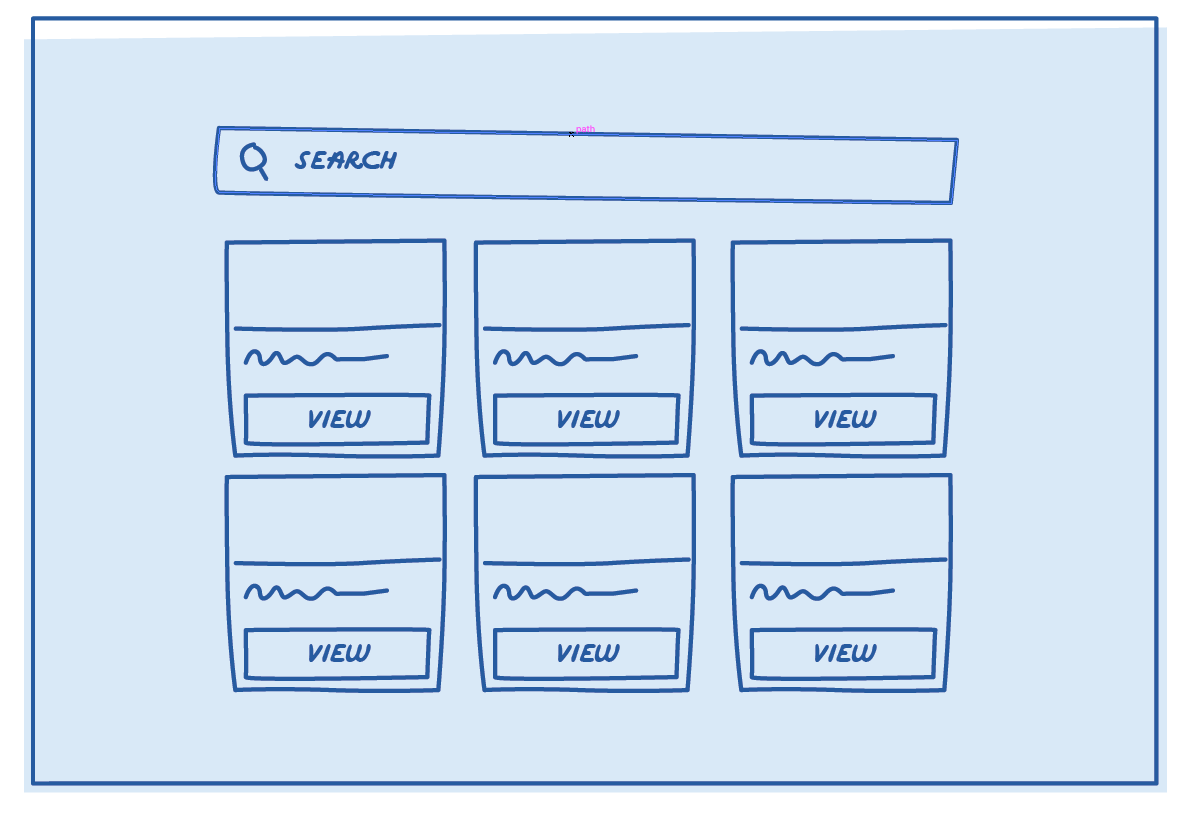
Is this enough for a crowd investment platform?
The answer could be yes, in terms of interaction design.
But will anybody who visits the platform make an investment?
Certainly no. Asking somebody to make an investment is quite complicated. Less or no people will give you money especially with the prospect of return. The investment itself has a lot of risks tagged with. Also, a new platform with less amount of recognition will ever able to make it.
So, there are a lot more things to be worked which are beyond interaction design. There should be a connection built, a trust built, a brand built.
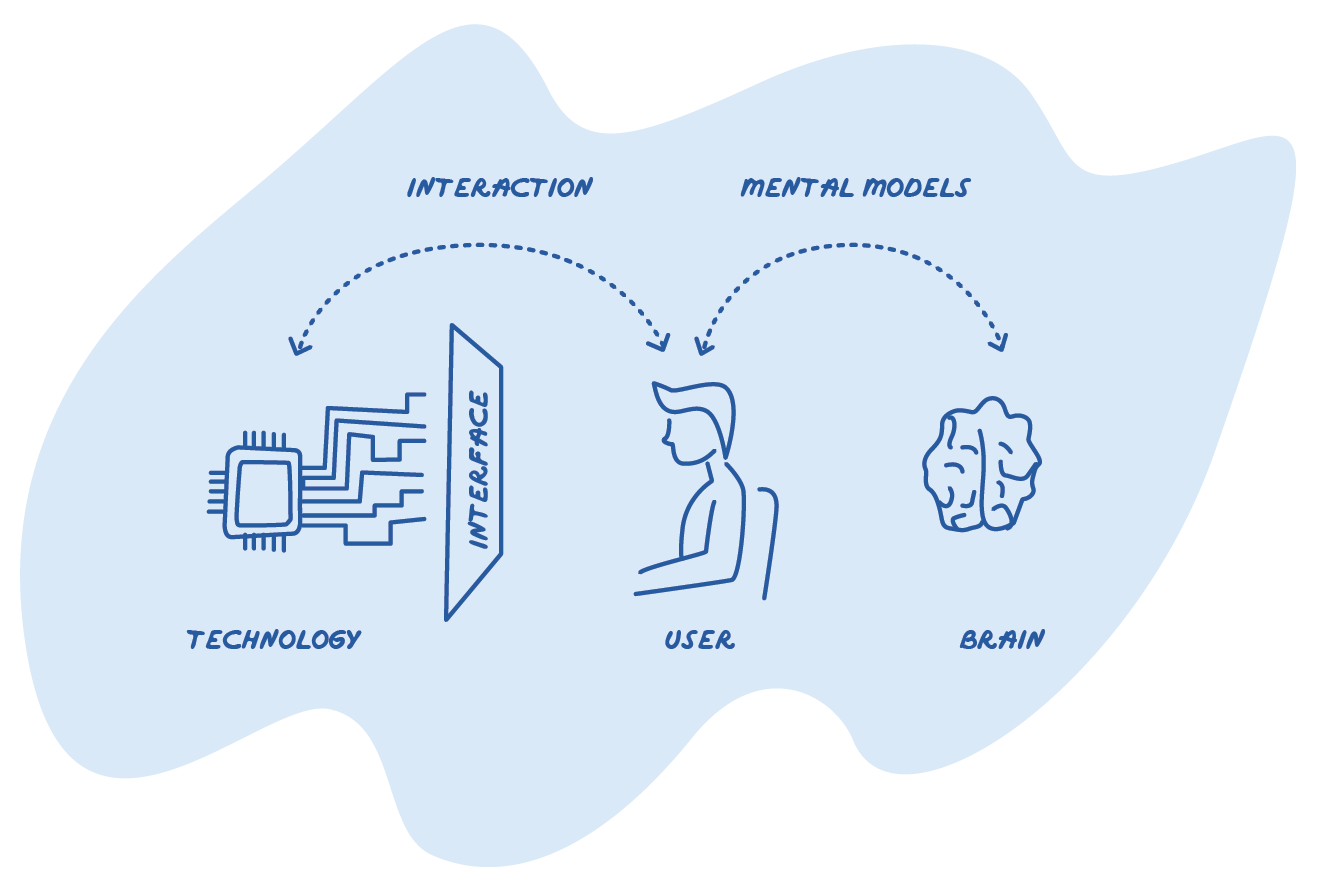
Mental models and persuasion are part of designs which every designer should know.
1. Social Proof
People like what others like. Social proof as most common thing these days. Showing proof to a user that 'the society like it, so you may too' is called as social proof. Ratings, reviews and testimonials are the ultimate examples for social proof.
Users buy a product which has a good rating/review by a group of people. This will make more trust and credibility about the product.
As ratings, reviews and testimonials are everywhere nowadays, just taking this method will not be enough. This might seem to be fake for the users if we have less number of ratings/reviews. For an effective result, get a huge number of the same by motivating the users to provide.
2. Authority
People are influenced by others who're well known. If people see a review/feedback from a well-known person or media, they will have more trust. Expert's recommendation, celebrity's review and press release articles are a few examples of authority.
This kind of reviews should not look like a paid shout out to the users. The more natural the more trust it creates.
3. Scarcity
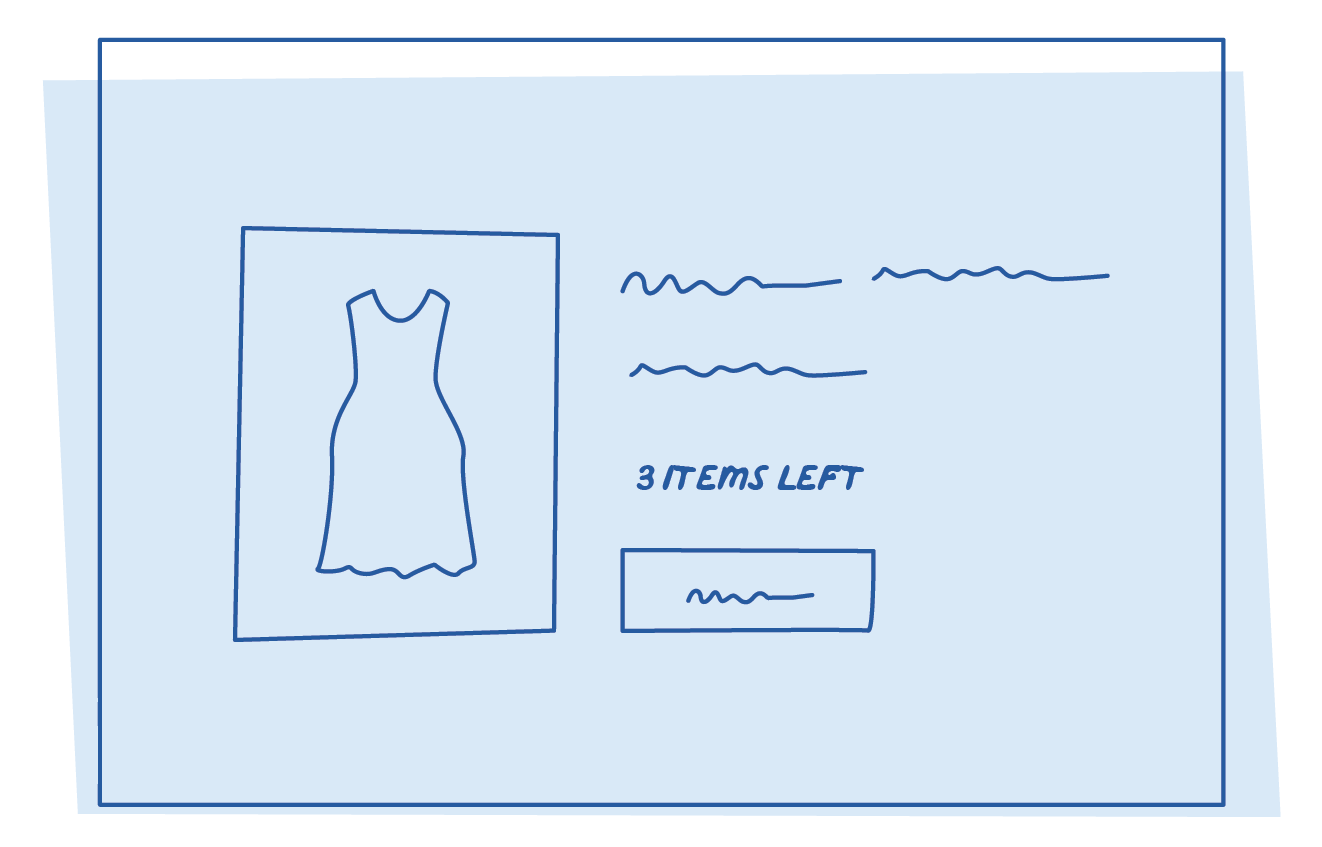
People scared to miss out what they like. FOMO - fear of missing out works everywhere. People fear to miss out a moment being shared to other people, so they post status updates. People fear to miss out to see a status update from other people, so they keep watching it.
Scarcity urges people to take action. It urges people to buy a product before it sells out.
4. Reciprocity
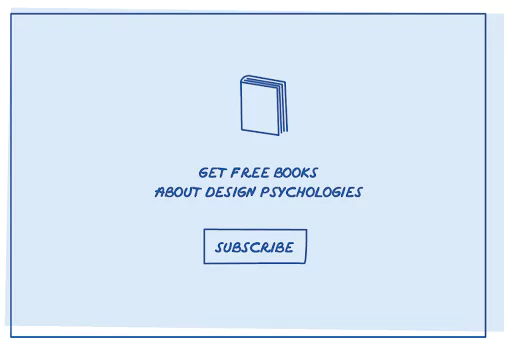
People give something if they get something. People these days are afraid to share their personal data. Asking a visitor to sign up on your website is quite lot difficult if we didn't trust them. Offering something good to the users before asking something.
Offering free books, reports and rewards are some examples for reciprocation.
5. Illusion of rationality
People make rational choices based on how they perceive.
6. Decision paralysis
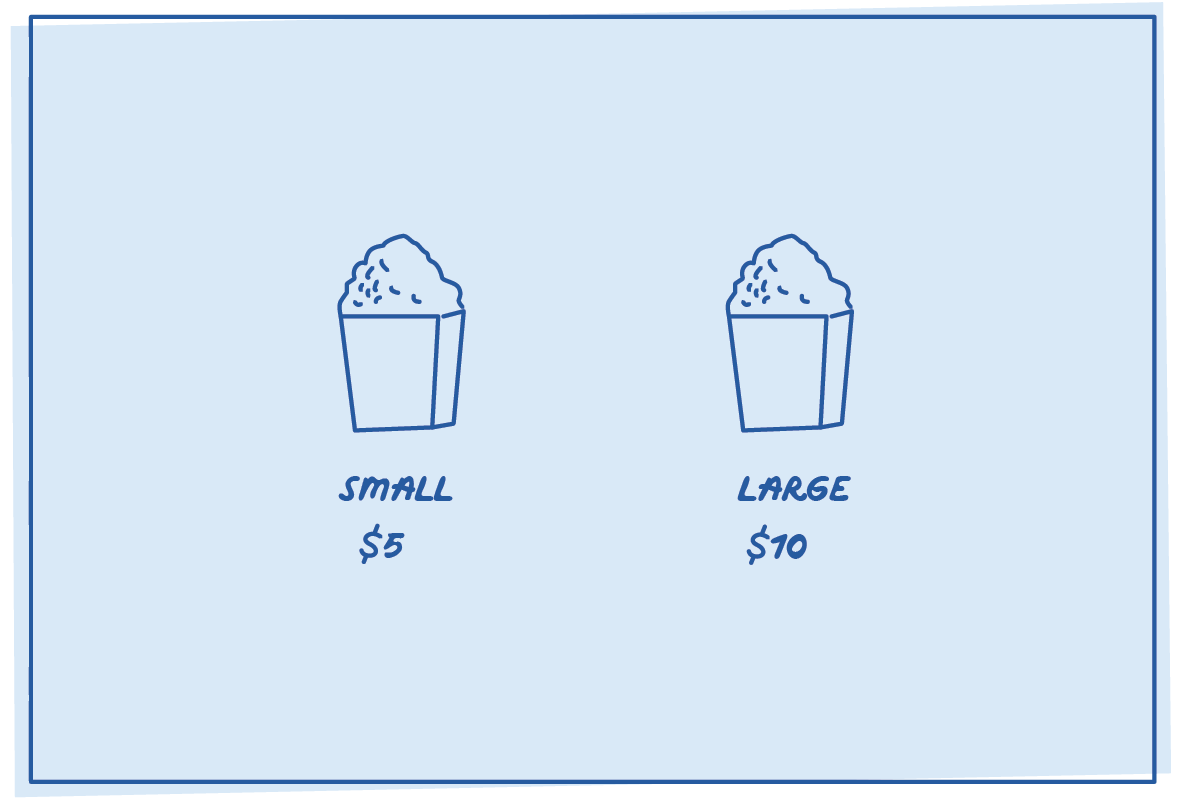
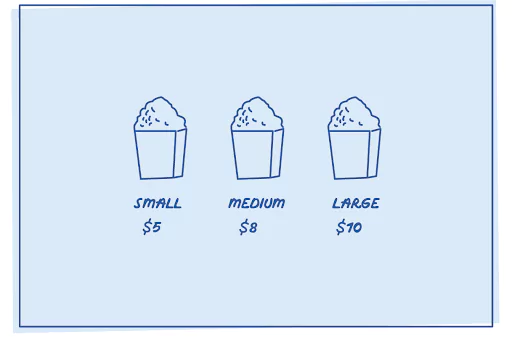
People confuse to make a decision if they have many options. If users see a huge amount of choices to choose, they will have a paradox to decide. Having less number of choices helps them choose quickly and helps avoid dropouts. Recommending one or few choices for the users will help it more to take a decision.
7. Intermittent enforcement
People like variable rewards. Rewarding users in fixed/variable intervals will motivate to continue or do more. Offering bonuses, offers, coupons and rewards often to the users would motivate them. Gamified engagement works more effectively.
Conclusion
All these psychologies can't be used in every single project you work on. These should be taken wisely based on the contexts, target users and nature of the products. Sometimes, overusing the methods will create an unethical dark pattern, which are feared to make the product to failure. When you keep mental models in your mind while designing your product, you will be able to successfully induce the user to make an action. To strike a perfect balance, contact Appiness Interactive, the Best Web Development company based out of Bangalore that incorporates psychology of UX Design while modifying or designing any websites.
Thanks for reading.